
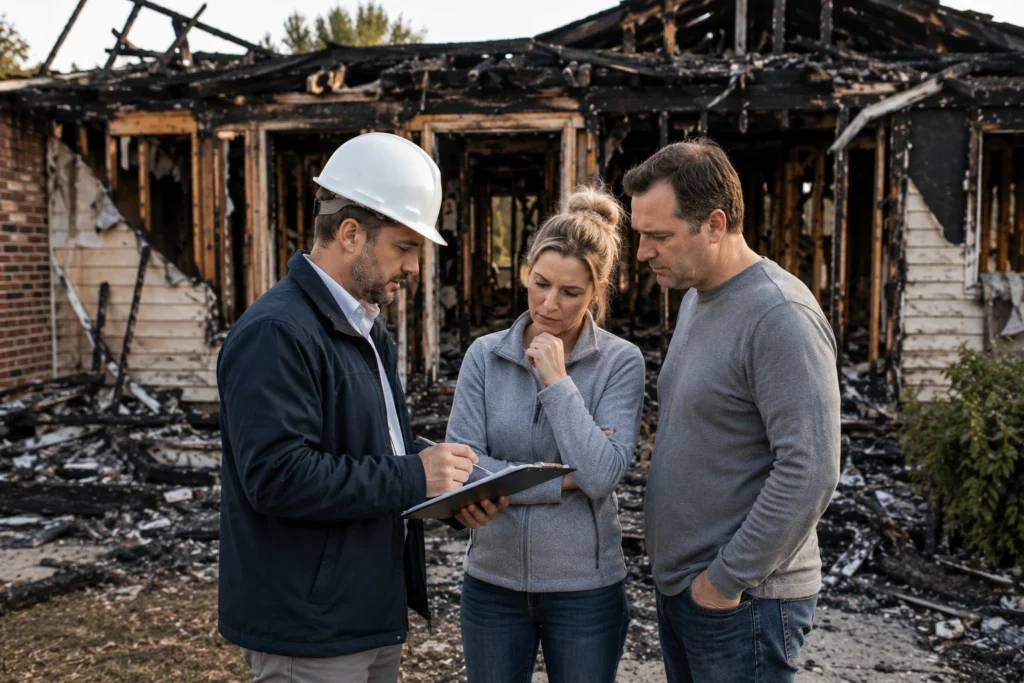
A major fire can change everything in a single night. One moment you are living normally. The next, you are standing outside your property watching firefighters battle flames while smoke pours through the roof. And after the fire trucks leave? The real battle often begins. That is where a fire insurance adjuster becomes extremely important.
Many homeowners assume the insurance process will move smoothly once the claim is filed. Sometimes it does. But large fire losses are rarely simple. Structural damage, smoke contamination, water intrusion, code upgrades, temporary housing expenses, and disputed repair scopes can quickly turn a claim into a stressful, drawn-out process. I have seen property owners underestimate how complicated fire claims become. Especially when emotions are high and decisions must be made fast. For homeowners and businesses in Grand Prairie, understanding how a fire insurance adjuster works can make a major difference in how a claim unfolds and how much financial recovery is ultimately available.
What Is a Fire Insurance Adjuster?
A fire insurance adjuster evaluates property damage after a fire and helps determine how much an insurance company should pay under the policy. Simple definition. Complicated reality. There are actually several different types of adjusters involved in fire claims, and many policyholders do not fully understand who represents whom.
Understanding the Different Types of Adjusters
Insurance Company Adjuster
This adjuster works directly for the insurance carrier. Their job is to inspect the damage, review the policy, prepare estimates, and help the carrier settle the claim. They may be staff employees or contractors hired by the insurer.
Independent Adjuster
Independent adjusters are contracted by insurance companies during large claim events or heavy claim volume periods. Even though they are “independent,” they still represent the insurance company during the claim process.
Public Adjuster
A public adjuster works for the policyholder. That distinction matters. A public fire insurance adjuster advocates for the homeowner or business owner during inspections, documentation, negotiations, and settlement discussions.
Why the Difference Matters
This is where confusion creates problems. Many homeowners assume every adjuster involved in the claim is there to protect their interests equally. That is not always true. Insurance carriers focus on evaluating covered damages according to the policy. Policyholders focus on restoring their homes, businesses, and finances fully.
Those goals sometimes align. Sometimes they do not. That is why fire claims often become contentious when repair scopes, smoke contamination, code upgrades, or replacement costs are disputed.
What a Fire Insurance Adjuster Actually Does
A fire insurance adjuster handles far more than a quick property inspection. The role can involve detailed estimating, policy interpretation, inventory analysis, contractor coordination, and extensive negotiation.
Property Damage Inspection The inspection phase is critical. Fire damage is rarely limited to visibly burned areas. Heat travels. Smoke spreads. Water penetrates walls, insulation, flooring, and electrical systems.
A thorough inspection may include:
- Structural damage evaluation
- Roof and attic inspections
- Smoke contamination assessment
- HVAC contamination analysis
- Water intrusion review
- Electrical system examination
- Interior material testing
Missing hidden damage early can create major settlement issues later.
Documentation of Losses
Documentation drives fire claims. Not emotion. Not assumptions. Evidence. A strong fire claim file often includes:
| Documentation Type | Why It Matters |
| Photos | Visual proof of damages |
| Videos | Captures full property conditions |
| Contractor estimates | Supports repair costs |
| Inventory lists | Verifies personal property loss |
| Receipts | Confirms ownership and value |
| Temporary housing costs | Supports reimbursement |
The stronger the documentation, the stronger the claim position becomes.
Reviewing Insurance Policy Coverage
This part becomes overwhelming for many property owners. Fire policies can include multiple coverage sections, sublimits, exclusions, endorsements, and replacement cost conditions.
Common areas reviewed include:
- Dwelling coverage
- Detached structures
- Personal property
- Additional living expenses
- Business interruption
- Debris removal
- Ordinance and law coverage
And honestly? Most people never fully read their policy until after a disaster occurs.
Negotiating the Settlement
Negotiation is often where a fire insurance adjuster adds the most value.
Disputes frequently arise over:
- Scope of repairs
- Material pricing
- Smoke remediation methods
- Code upgrades
- Structural repairs
- Replacement versus cleaning
- Labor costs
Some claims settle quickly. Others take months. Large fire losses can involve multiple supplemental negotiations as hidden damages continue to appear during demolition and reconstruction.
Why Fire Damage Claims Become So Complex
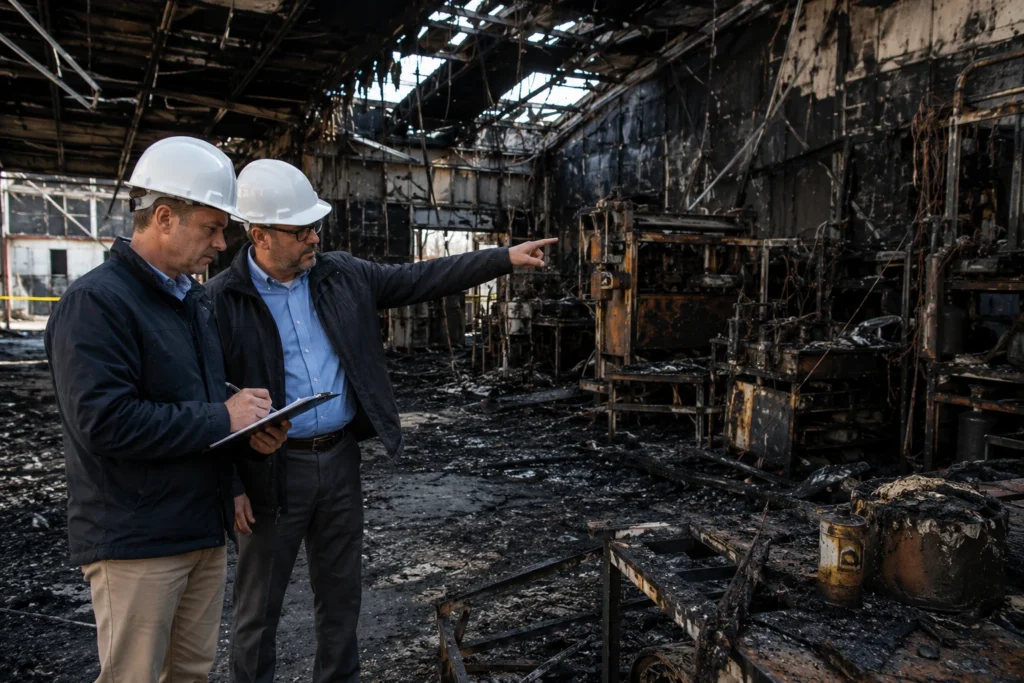
Fire claims are not just about burned materials. They involve layers of secondary damage that many people never expect.
Hidden Damage Often Gets Missed
Smoke damage is one of the biggest examples. Even rooms untouched by flames may suffer contamination through the HVAC system or airflow pathways.
Common hidden issues include:
- Smoke particles inside duct systems
- Electrical corrosion
- Insulation contamination
- Framing moisture damage
- Soot inside wall cavities
- Odor absorption into porous materials
Some of these problems are invisible initially. But they become expensive later. One section of the claim process that often becomes unexpectedly technical involves contamination analysis. In larger fire losses, adjusters and restoration contractors may use concepts related to Adsorption when evaluating how smoke particles attach to surfaces, fabrics, insulation, and HVAC systems. That becomes especially important when determining whether materials can truly be cleaned or if full replacement is necessary.
Fire Claims Often Involve Multiple Damage Types
| Damage Type | Common Problems |
| Fire damage | Burned framing and roofing |
| Smoke damage | Persistent odors and contamination |
| Water damage | Mold and structural moisture |
| Soot damage | Surface staining and corrosion |
| Heat damage | Warped materials and weakened systems |
This overlap is what makes fire claims difficult to estimate accurately during the first inspection.
Emotional Stress Impacts Decision-Making
People are exhausted after fires. Displaced families are trying to find temporary housing, replace clothing, contact employers, coordinate contractors, and protect valuables all at once. That pressure creates mistakes. Some homeowners accept low settlements simply because they want the process to end quickly. Others fail to document losses properly because they are emotionally overwhelmed. Completely understandable. But costly.
When Hiring a Public Fire Insurance Adjuster Makes Sense
Not every fire claim requires outside representation. Minor kitchen fires with limited smoke damage may resolve fairly smoothly. Large losses are different.
Large Residential Fire Losses
When substantial structural repairs are involved, the claim process becomes far more technical.
This may include:
- Full roof replacement
- Framing reconstruction
- Smoke remediation
- Electrical replacement
- Plumbing repairs
- Code compliance upgrades
A public fire insurance adjuster can help organize the claim from beginning to end.
Commercial Fire Claims
Commercial fire losses can become extremely complicated very fast.
Business owners may face:
- Revenue interruption
- Equipment loss
- Tenant disputes
- Inventory destruction
- Operational shutdowns
The financial impact often extends far beyond the physical damage itself.
Claim Denials or Underpayments
This is one of the biggest reasons property owners seek help.
Common problems include:
- Partial denial of smoke damage
- Disputed scope items
- Low repair estimates
- Delayed payments
- Depreciation disputes
- Coverage disagreements
Strong documentation and negotiation experience matter heavily here.
Complex Smoke Damage Situations
Smoke can spread far beyond the fire origin point. In some cases, properties appear visually salvageable but still contain severe contamination throughout the structure. That creates major disputes over cleaning versus replacement. Many homeowners struggle with deciding When to Call a Public Adjuster after a fire loss. In reality, the best time is often early in the process before major documentation mistakes occur, settlement discussions begin, or hidden smoke and structural damage gets overlooked during initial inspections.
The Fire Insurance Claim Process Step by Step
The fire claim process usually follows several stages. Understanding them helps reduce confusion during recovery.
Emergency Response and Mitigation
After the fire is extinguished, immediate mitigation begins.
This often includes:
- Boarding windows
- Roof tarping
- Water extraction
- Debris removal
- Structural stabilization
Insurance policies typically require property owners to prevent additional damage whenever possible.
Filing the Insurance Claim
Once the carrier is notified:
- A claim number is assigned
- An adjuster is scheduled
- Initial documentation requests begin
Fast reporting matters.
Delays can complicate investigations.
Inspection Phase
This phase may involve multiple inspections from:
- Insurance adjusters
- Contractors
- Engineers
- Hygienists
- Public adjusters
Larger claims often require repeated site visits as demolition reveals hidden damage.
Preparing Documentation
This stage takes time. Especially for contents inventories.
Homeowners may need to document hundreds of damaged belongings including:
- Electronics
- Furniture
- Clothing
- Appliances
- Jewelry
- Kitchenware
- Tools
And yes, this process can become emotionally draining. Every item forces families to revisit the loss again.
Negotiating the Settlement
This is where disagreements frequently emerge.
Common disputes involve:
- Material pricing
- Labor rates
- Replacement methods
- Scope completeness
- Smoke remediation
- Code upgrades
Supplemental negotiations are common in larger claims because hidden damage often appears during repairs.
Final Repairs and Reconstruction
Once agreements are reached, reconstruction begins.
This phase may still involve:
- Additional inspections
- Permit revisions
- Change orders
- Supplemental payments
Major fire losses can take many months to fully complete.
Common Mistakes Property Owners Make After a Fire
Some mistakes weaken claims significantly. Others create long-term repair issues.
Throwing Away Damaged Items Too Early
This happens constantly. People want to clean up fast. Understandable. But damaged materials may serve as evidence during claim evaluations. Always photograph and document items before disposal whenever possible.
Accepting the First Settlement Offer
Initial estimates are not always complete. Especially during large fire losses.
Demolition frequently reveals:
- Hidden framing damage
- Electrical problems
- Smoke contamination
- Moisture intrusion
- Structural instability
Early settlement acceptance can leave property owners underfunded later. Failing to Document Smoke Damage Smoke damage is often underestimated because it is not always visible. That does not mean it is minor.
Smoke can affect:
- Air quality
- Electronics
- Insulation
- HVAC systems
- Fabrics
- Appliances
Comprehensive documentation matters.
Waiting Too Long to Seek Professional Help
Delays reduce leverage. Evidence disappears over time. Contractors move on. Temporary repairs alter conditions. Getting experienced guidance early often improves organization and claim strategy.
Important Questions to Ask a Fire Insurance Adjuster
Choosing the right adjuster matters. Experience levels vary widely.
Are You Licensed in Texas?
Always verify licensing. Texas requires public adjusters to hold proper licensing credentials.
Have You Handled Similar Fire Claims?
Not all adjusters specialize in fire losses.
Ask about:
- Residential fires
- Commercial losses
- Smoke claims
- Total losses
- Supplemental negotiations
Specific experience matters more than generic claim experience.
How Are Fees Structured?
Most public adjusters work on contingency fees. That means payment is usually based on a percentage of the claim recovery.
Understand the agreement fully before signing.
What Is Included in Your Scope Review?
A thorough fire claim review should examine:
- Structural damage
- Smoke contamination
- HVAC systems
- Water intrusion
- Code compliance
- Personal property losses
The deeper the investigation, the more accurate the claim evaluation becomes.
Fire Damage Documentation Tips That Strengthen Claims
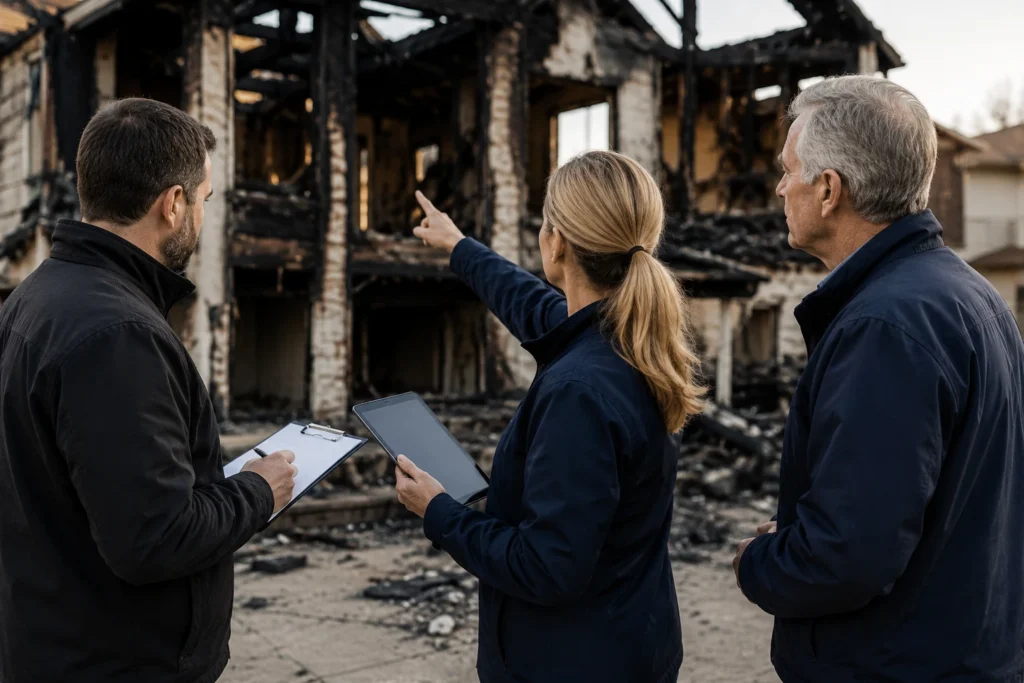
Documentation can dramatically affect settlement outcomes. Strong claims are organized claims.
Photograph Everything Immediately
Take both wide-angle and close-up images.
Capture:
- Entire rooms
- Burn patterns
- Smoke staining
- Water saturation
- Structural cracks
- Damaged belongings
More documentation is almost always better.
Keep Every Receipt
Additional living expenses often become substantial after fires.
Save receipts for:
- Hotels
- Rental homes
- Meals
- Clothing
- Transportation
- Storage units
- Emergency supplies
Without records, reimbursement becomes harder.
Create a Detailed Personal Property Inventory
| Category | Helpful Documentation |
| Electronics | Serial numbers and receipts |
| Appliances | Model information |
| Furniture | Photos and purchase records |
| Clothing | Brand and quantity estimates |
| Tools | Photos and invoices |
Do not rush this process. Accurate inventories significantly affect settlement values.
Save All Communication
Keep organized records of:
- Emails
- Inspection dates
- Contractor estimates
- Claim letters
- Payment summaries
- Phone notes
Organization reduces confusion later.
Understanding Smoke Damage and Secondary Losses
Smoke damage creates some of the biggest disputes in fire claims. Why? Because contamination is complicated.
Smoke Damage Can Spread Beyond Burned Areas
Smoke travels through:
- HVAC systems
- Attic spaces
- Wall cavities
- Plumbing penetrations
- Air gaps
A room that looks untouched may still contain severe contamination.
Odor Removal Challenges
This becomes a major argument point during many claims. Some materials can be cleaned successfully. Others continue releasing odor long after treatment attempts.
Common disputed materials include:
- Insulation
- Upholstery
- Drywall
- Carpet
- Wood framing
Cleaning may appear cheaper initially but fail long term.
Corrosion and Long-Term Damage
Smoke residue is acidic. That matters. Electronics, appliances, and metal components may deteriorate over time if contamination is not fully removed. The damage may not appear immediately. But months later? Systems fail unexpectedly.
Fire Insurance Adjusters and Commercial Property Claims
Commercial fire losses introduce another level of complexity. The numbers become bigger. The timelines become longer. The disputes become more technical.
Business Interruption Losses
A business may lose revenue for weeks or months after a fire.
Business interruption claims may involve:
- Lost income
- Payroll expenses
- Temporary relocation
- Extra operating expenses
- Equipment rental costs
Calculating these losses accurately requires detailed financial documentation.
Inventory and Equipment Damage
Commercial claims often involve specialized equipment, inventory systems, and operational assets.
This can include:
- Manufacturing equipment
- Refrigeration systems
- Office technology
- Inventory stock
- Tools and machinery
Replacement costs can escalate quickly.
Code Upgrade Requirements
Older commercial buildings frequently require upgrades during reconstruction.
Examples include:
- Electrical system updates
- ADA compliance changes
- Fire suppression systems
- Roofing requirements
- Structural improvements
These upgrades may trigger additional coverage considerations.
Why Commercial Claims Often Require Supplements
Initial inspections rarely uncover every issue immediately.
Demolition may reveal:
- Structural instability
- Smoke infiltration
- Hidden electrical damage
- Moisture intrusion
- Foundation movement
Supplemental negotiations become common during major rebuilds.
How Fire Insurance Adjusters Help Maximize Settlements
A skilled fire insurance adjuster brings structure to a chaotic process. That alone creates value.
Comprehensive Damage Evaluation
Thorough inspections identify damages that may otherwise remain overlooked.
This includes:
- Secondary smoke contamination
- Code issues
- Hidden moisture
- Electrical hazards
- Structural weakening
The goal is full evaluation. Not surface-level observation.
Accurate Estimating
Repair estimating requires current market pricing knowledge. Especially in Texas, where labor and material costs fluctuate heavily after storms and large claim events.
Accurate estimating includes:
- Labor rates
- Material pricing
- Permit costs
- Code compliance
- Specialty cleaning
- Debris removal
Policy Interpretation
Insurance policies contain technical language that many homeowners struggle to interpret.
A fire insurance adjuster reviews:
- Exclusions
- Endorsements
- Coverage limitations
- Replacement cost provisions
- Depreciation conditions
Understanding policy language can significantly impact claim recovery.
Negotiation Experience
Negotiation matters more than many people realize. Especially during large losses.
Experienced adjusters understand how to:
- Present documentation effectively
- Support supplemental requests
- Address scope disputes
- Respond to low estimates
- Navigate carrier pushback
That experience often changes claim outcomes substantially.
Fire Claims in Texas: Challenges Property Owners Face
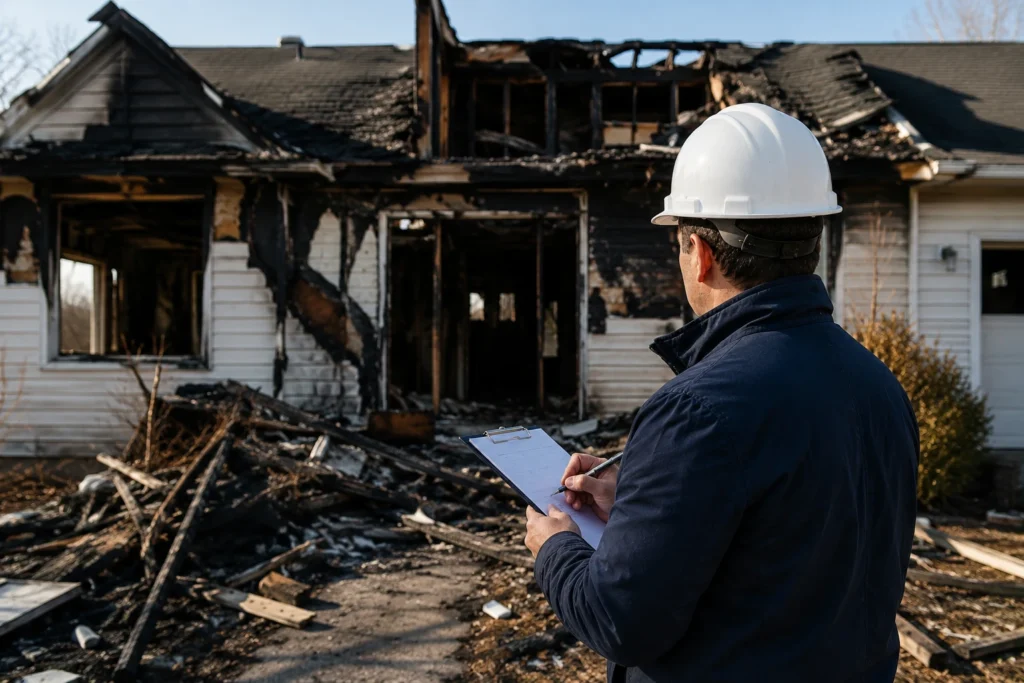
Texas fire claims present unique challenges. Especially as reconstruction costs continue rising.
Rapidly Increasing Reconstruction Costs
Construction pricing can shift dramatically after large regional disasters.
This affects:
- Roofing materials
- Lumber
- Electrical work
- Skilled labor
- HVAC replacement
Underestimating rebuilding costs creates major financial pressure.
Policy Limit Concerns
Some homeowners discover too late that their policy limits are outdated. Rebuilding costs today are far higher than many older policies anticipated. That gap creates difficult financial situations after total losses.
Delays in Large Loss Claims
Complex fire investigations take time. Especially when multiple parties are involved.
Delays may result from:
- Cause investigations
- Engineering reviews
- Contractor disagreements
- Code evaluations
- Supplemental inspections
Patience becomes necessary. But so does organization.
Why Local Experience Matters in Grand Prairie
Local knowledge can help during fire claims in Grand Prairie.
Regional contractors understand:
- Local permit requirements
- Area labor pricing
- Building code expectations
- Reconstruction timelines
That familiarity can improve estimating accuracy and claim preparation throughout the process.
Choosing the Right Fire Insurance Adjuster
Not all adjusters bring the same experience or approach. Careful selection matters.
Look for Fire Claim Experience
Fire claims differ from wind and hail claims. They involve contamination, reconstruction complexity, contents inventories, and business interruption considerations. Ask direct questions about prior fire claim handling experience.
Check Licensing and Reviews
Verify credentials carefully.
Research:
- Texas licensing status
- Online reviews
- Complaint history
- Professional associations
Transparency matters.
Ask About Communication Practices
Communication problems create enormous frustration during large claims. Ask how updates are handled. Good adjusters maintain regular communication throughout the process.
Avoid Unrealistic Promises
Be cautious of anyone guaranteeing massive settlements immediately. Every fire claim differs. Strong professionals focus on documentation, process, and evidence rather than flashy promises.
Final Thoughts
Fire losses are devastating. There is no easy way around that reality. Families lose routines. Businesses lose stability. Entire properties can change overnight. The emotional pressure alone can feel overwhelming before the insurance process even begins. But understanding how a fire insurance adjuster works helps property owners regain some control during a chaotic situation.
Strong documentation matters. Careful policy review matters. Thorough inspections matter. Experienced negotiation matters. And timing matters too. For homeowners and businesses in Grand Prairie dealing with serious fire damage, the difference between a rushed claim and a properly managed claim can affect financial recovery for years after the fire itself is extinguished. The goal is not just receiving a payment. The goal is rebuilding correctly. Safely. Completely.
FAQs
A fire insurance adjuster evaluates fire-related property damage, reviews coverage, and helps determine settlement amounts for the claim.
You should report the fire damage as quickly as possible to avoid delays and preserve important evidence.
Yes, many policies cover smoke damage if it resulted from a covered fire event, but documentation is critical.
You should consider calling a public adjuster early if the fire damage is severe, the claim is complex, or settlement disputes begin developing.
Many homeowner policies include additional living expense coverage for hotels, rentals, meals, and related temporary costs.
Take photos, save receipts, keep damaged items when possible, and maintain records of all communication and repair estimates.
Yes, smoke contamination can affect HVAC systems, insulation, wiring, and electronics long after the visible damage is cleaned.
Yes, public adjusters in Texas must hold proper state licensing to legally represent policyholders during claims.
Property owners may negotiate, submit supplemental documentation, or seek professional representation to challenge underpaid claims.
Minor claims may resolve within weeks, while major structural fire losses can take several months or longer.