

Getting a denied insurance claim after a hailstorm feels brutal. One day you are staring at cracked shingles, leaking ceilings, dented gutters, and damaged siding. The next, you open a letter saying your insurance company will not pay. That is exactly why so many homeowners search for answers about What to Do If Your Hail Claim Was Denied in Grand Prairie, TX. And honestly? A denial does not always mean the case is closed.
In many situations, denied hail claims can be challenged, reopened, supplemented, or even reversed entirely. The key is understanding why the denial happened and responding strategically instead of emotionally. Insurance companies work through documentation, policy language, inspections, timelines, and evidence. The stronger your evidence becomes, the stronger your position becomes too. Grand Prairie homeowners face a unique situation because North Texas experiences frequent hailstorms, sudden weather shifts, and severe wind events that create widespread roof damage every year. Claims flood the system fast. Adjusters become overloaded. Inspections get rushed. Important details get missed.
I have seen homeowners assume denial means defeat. Then weeks later, after proper documentation and a second inspection, the claim suddenly changes direction completely. This guide breaks down exactly What to Do If Your Hail Claim Was Denied in Grand Prairie, TX, including how to document damage, dispute decisions, reopen claims, use appraisal, and decide whether hiring a public adjuster makes sense.
Why Hail Claims Get Denied in Grand Prairie, TX
Insurance companies rarely deny claims without offering some explanation. The issue is that homeowners often receive vague wording that hides the real reason behind the denial. Understanding the insurer’s strategy matters.
Insurance Companies Often Blame “Wear and Tear”
This is one of the most common denial tactics in Texas hail claims. The insurer may argue that your roof was already deteriorating before the storm happened. Instead of storm damage, they classify the condition as:
- Age-related deterioration
- Thermal cracking
- Granule loss from aging
- Foot traffic damage
- Poor maintenance
That distinction matters enormously because homeowner policies typically cover sudden storm damage, not gradual deterioration. The challenge becomes proving the hailstorm caused functional damage.
Insufficient Documentation Creates Weak Claims
Many denied hail damage insurance claims simply lack strong evidence.
Homeowners sometimes submit:
- A few blurry photos
- No contractor inspection
- No storm date confirmation
- Minimal interior documentation
- No repair estimates
That creates room for dispute. Insurance carriers rely heavily on documentation consistency. If evidence is weak or incomplete, denial becomes easier.
Delayed Reporting Can Complicate Everything
Texas homeowners occasionally wait weeks or months before filing a hail claim. Sometimes the damage is not obvious immediately. Other times homeowners worry about rates increasing.
Unfortunately, delays give insurers an opportunity to argue:
- The damage occurred during another storm
- The roof deteriorated after the event
- Additional exposure worsened conditions
- The cause cannot be verified clearly
Timing matters more than many people realize.
The Adjuster Missed Damage
This happens constantly. After major North Texas storms, adjusters inspect enormous numbers of homes quickly. Some inspections last less than 20 minutes. That is not always enough time to properly identify subtle hail impacts.
Missed damage commonly includes:
- Soft bruising on shingles
- Metal flashing impacts
- Ridge cap fractures
- Window screen hits
- HVAC fin damage
- Detached granules
- Underlayment moisture intrusion
A rushed inspection can completely change the outcome of a claim.
Cosmetic Damage Exclusions
Some policies exclude cosmetic damage to metal roofing systems or exterior components. The insurer may acknowledge dents but argue they do not affect functionality. Homeowners, meanwhile, see obvious storm destruction. This becomes a major source of dispute in Grand Prairie hail claims.
First Things to Do After a Denied Hail Damage Insurance Claim
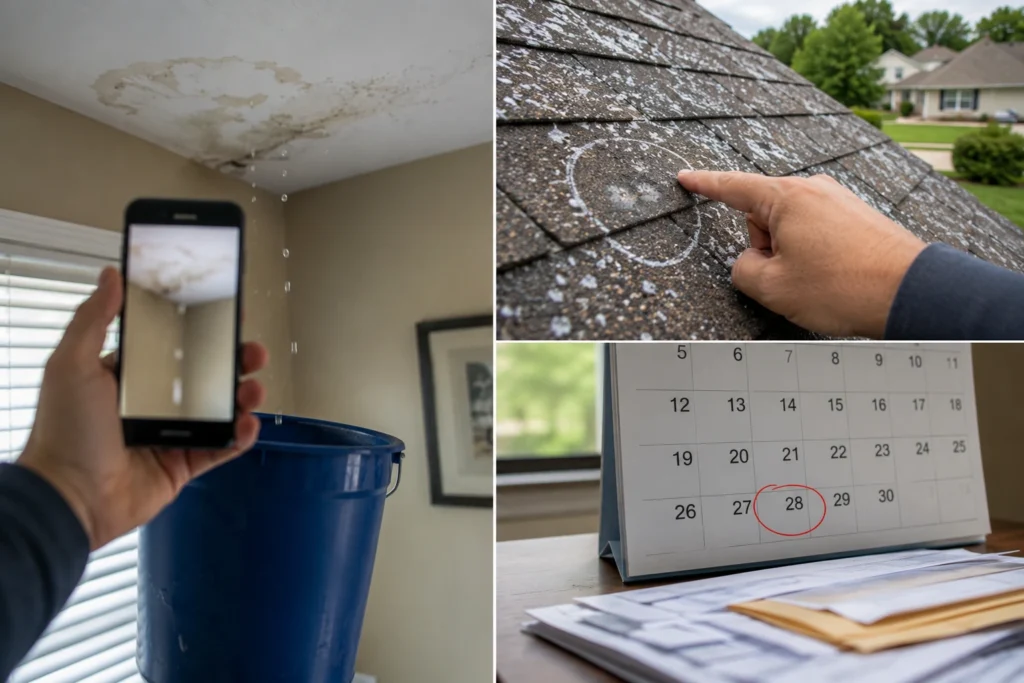
The first 48 hours after denial are important. Emotional decisions can damage your position quickly. Slow down. Get organized.
Read the Denial Letter Carefully
Do not skim it.
Insurance denial letters often contain critical language explaining:
- Why the claim was denied
- Which policy exclusions were referenced
- Whether damage was acknowledged
- What evidence was considered
- What deadlines apply moving forward
Highlight every key statement. You need to understand the insurer’s argument before responding.
Request a Full Copy of Your Policy
Many homeowners never read the full policy until problems arise.
Request:
- The declarations page
- Coverage endorsements
- Exclusion language
- Deductible details
- Cosmetic damage provisions
- Appraisal clauses
The wording matters. A single endorsement can dramatically change claim options.
Create a Dedicated Claim Folder
Organization becomes your advantage.
Create folders for:
- Inspection reports
- Roof photos
- Interior damage photos
- Weather reports
- Emails
- Letters
- Contractor estimates
- Temporary repair receipts
- Claim timelines
When disputes escalate, organized documentation gives credibility.
Avoid Permanent Repairs Immediately
Temporary mitigation is smart. Permanent repairs too early can destroy evidence.
Protect the property by:
- Tarping leaks
- Drying wet materials
- Preventing additional intrusion
But document everything first.
Take extensive photos before materials disappear.
How to Reinspect Your Roof After a Denied Claim
One inspection should never be treated as final truth. Especially after hailstorms.
Hire an Independent Roofing Contractor
Not every roofer understands insurance documentation.
Look for contractors experienced in:
- Hail damage identification
- Insurance scope reviews
- Supplement documentation
- Storm restoration inspections
A detailed inspection report can become one of your strongest tools.
Ask for:
- Marked photographs
- Elevation breakdowns
- Damage counts
- Test square findings
- Collateral damage observations
- Repair recommendations
Specificity wins disputes.
Look Beyond the Roof Itself
Hail damage rarely affects only shingles. Collateral evidence often strengthens claims significantly.
Inspect:
- Gutters
- Downspouts
- Garage doors
- Metal flashing
- Window screens
- Fences
- AC units
- Siding
- Skylights
When multiple surfaces show consistent storm impacts, causation becomes harder to dispute.
Use Drone Photography and High-Resolution Imaging
Modern inspections have improved dramatically.
Drone imaging helps document:
- Entire roof slopes
- Impact patterns
- Missing granules
- Soft metal dents
- Structural concerns
High-resolution close-ups also help demonstrate fresh damage versus long-term deterioration. Visual clarity changes negotiations.
Request Moisture Testing
Some hail-related damage hides underneath the roofing system. Leaks may develop slowly.
Moisture testing can uncover:
- Saturated decking
- Wet insulation
- Hidden attic intrusion
- Interior humidity issues
Water damage often strengthens reopening requests.
The Evidence That Can Help Reverse a Denied Hail Claim
Insurance disputes are evidence battles. Not opinion battles. The more objective your evidence becomes, the harder denial becomes to maintain.
Weather Reports Matter More Than Homeowners Think
Storm verification is powerful.
Use:
- NOAA storm data
- Local weather records
- Hail maps
- Radar history
- Date-of-loss confirmation
These reports help establish that severe hail actually occurred in your area. This is where understanding meteorology becomes surprisingly relevant during insurance disputes.
High-Quality Roof Photos Make Huge Differences
Weak photos create weak claims.
Strong documentation includes:
- Close-up impact marks
- Wide-angle roof slope images
- Soft metal dents
- Granule displacement
- Fractured matting
- Creased shingles
Take photos in consistent lighting whenever possible.
Label everything clearly.
Contractor Damage Assessments Strengthen Negotiations
A written contractor report carries more weight than verbal opinions.
Good reports explain:
- Damage location
- Severity
- Repairability
- Code compliance issues
- Matching concerns
- Material availability
Insurance carriers often respond differently when professional documentation becomes detailed and structured.
Xactimate Estimates Add Credibility
Many contractors and adjusters use Xactimate estimating software during negotiations.
It standardizes pricing for:
- Labor
- Roofing materials
- Tear-off
- Flashing
- Ventilation
- Disposal
- Interior repairs
When estimates follow industry-recognized pricing systems, disputes become more technical and less emotional.
Interior Damage Should Never Be Ignored
Roof claims are not only exterior claims.
Document:
- Ceiling stains
- Peeling paint
- Wet drywall
- Attic moisture
- Mold growth
- Flooring damage
Interior evidence often reveals ongoing intrusion insurers initially overlooked.
What If the Insurance Company Says the Damage Is Old?
This is one of the most frustrating denial arguments homeowners hear. Especially when the roof looked perfectly fine before the storm.
Insurers Often Argue Prior Damage
Common arguments include:
- “The roof was already deteriorating.”
- “The damage predates the storm.”
- “The impacts are consistent with aging.”
- “No recent hail damage was observed.”
These statements sound definitive. They are not always accurate.
Contractors Can Identify Fresh Hail Damage
Experienced inspectors analyze specific patterns.
Fresh hail damage may show:
- Sharp granule displacement
- Recent mat fractures
- Clean asphalt exposure
- Bright impact marks
- Directional strike patterns
Older damage usually oxidizes differently over time. That distinction matters.
Maintenance Records Help
Roof maintenance history can strengthen your case substantially.
Helpful records include:
- Prior roof inspections
- Home inspection reports
- Repair invoices
- Roof age documentation
- Previous insurance inspections
If the roof was recently evaluated without major concerns, the denial argument weakens.
Engineering Reports Can Shift the Entire Claim
Sometimes independent engineers become necessary. Especially for large disputes.
An engineering report may evaluate:
- Structural impact
- Wind uplift
- Hail fracture patterns
- Moisture migration
- Roof system integrity
Independent opinions sometimes force insurers to reconsider aggressively denied claims. Some insurance disputes become highly technical, especially when engineers begin evaluating roof system failures, moisture migration, and even structural forensic engineering principles during large hail investigations.
Can You Reopen a Denied Hail Claim in Texas?
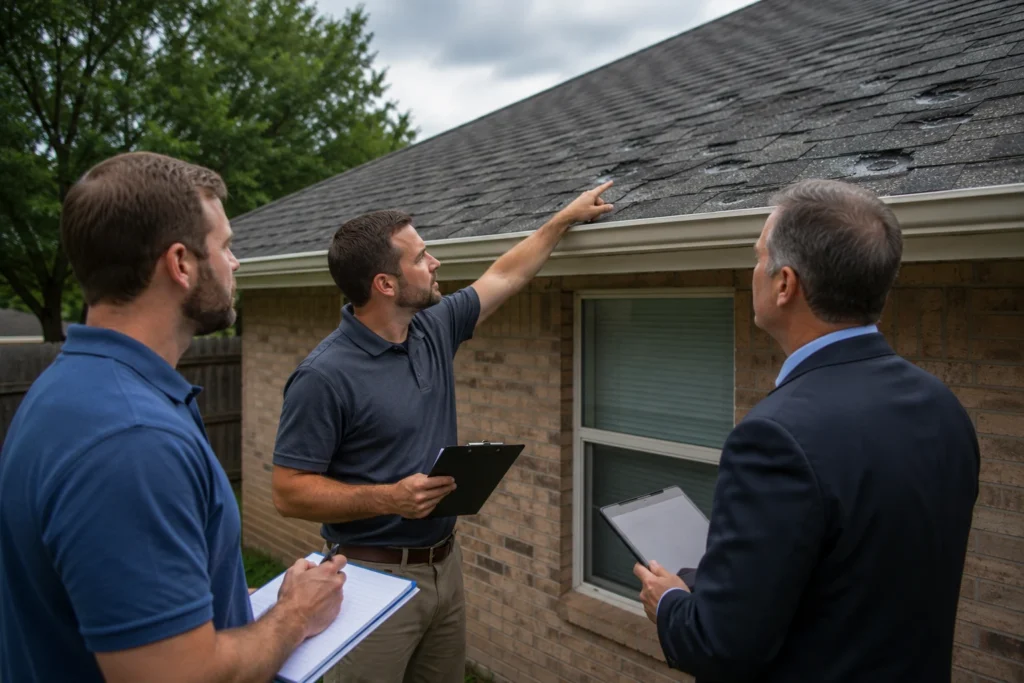
Yes. In many situations, you absolutely can. This is a critical part of understanding What to Do If Your Hail Claim Was Denied in Grand Prairie, TX.
Supplemental Claims Exist for a Reason
Initial inspections are not always complete.
Additional damage may appear later, including:
- Interior leaks
- Structural deterioration
- Ventilation issues
- Moisture damage
- Code-related upgrades
Supplement claims address overlooked or newly discovered damage.
Reopening Makes Sense in Several Situations
You may have grounds to reopen a claim if:
- New evidence exists
- Additional damage was discovered
- The initial inspection was incomplete
- Moisture intrusion worsened
- Repair estimates differ dramatically
- Code compliance issues emerged
The stronger the supporting documentation becomes, the stronger reopening potential becomes too.
Texas Deadlines Matter
Policies contain reporting deadlines. So do some supplemental filing processes. Do not assume you have unlimited time.
Waiting too long can weaken:
- Causation arguments
- Documentation quality
- Negotiation leverage
Acting quickly protects your position.
Supplement Claims Often Increase Settlements
This surprises many homeowners.
Initial scopes frequently miss:
- Flashing components
- Ventilation systems
- Starter shingles
- Ridge materials
- Underlayment
- Drip edge
- Interior moisture remediation
Once full damage becomes documented properly, settlements sometimes increase significantly. Homeowners dealing with Public Adjuster vs. Insurance Adjuster for Hail Claims in Texas questions should understand that the two professionals work for completely different interests during the claim process.
The Texas Insurance Appraisal Process Explained
Appraisal becomes an important option during many hail disputes. But homeowners often misunderstand how it works.
What Is Appraisal?
Appraisal is a dispute resolution process built into many insurance policies. Instead of filing lawsuits immediately, both sides select appraisers who evaluate the loss independently. If disagreement continues, an umpire may decide unresolved differences. It is commonly used in Texas property disputes.
Appraisal Helps Resolve Amount Disputes
Appraisal works best when:
- Damage is acknowledged
- Coverage exists
- The dispute centers on value
For example:
The insurer approves $9,000. Your contractor estimates $28,000. That type of disagreement may qualify for appraisal review.
How the Process Works
Here is a simplified breakdown:
| Step | Description |
| Homeowner selects appraiser | Independent evaluator chosen |
| Insurer selects appraiser | Carrier appoints representative |
| Appraisers inspect damages | Separate evaluations occur |
| Umpire selected if needed | Helps resolve disagreements |
| Final award issued | Binding amount often determined |
The process can move faster than litigation. But preparation still matters enormously.
Pros and Cons of Appraisal
| Pros | Cons |
| Faster than lawsuits | Still costs money |
| Can increase payouts | Not ideal for full denials |
| Less formal than court | Coverage issues may remain |
| Encourages settlement | Requires strong evidence |
Understanding the distinction matters. Appraisal typically addresses value disputes, not always complete denials.
When to Hire a Public Adjuster in Grand Prairie, TX
Some hail claims become too complicated for homeowners to manage comfortably alone. That is where public adjusters enter the picture.
Signs You May Need Help
Consider professional assistance if:
- Your claim was denied
- Inspections feel rushed
- Communication stalls
- Estimates seem unusually low
- Policy language becomes confusing
- Supplemental damage keeps appearing
Storm claim negotiations can become technical quickly.
How Public Adjusters Help
Public adjusters work for policyholders, not insurance carriers.
They often assist with:
- Damage documentation
- Policy interpretation
- Estimate preparation
- Supplemental claims
- Negotiations
- Inspection coordination
This becomes especially valuable in complicated roof hail damage insurance disputes.
Questions to Ask Before Hiring One
Not all public adjusters operate the same way.
Ask about:
- Texas licensing
- Local hail experience
- Fee structures
- Communication practices
- Roofing claim experience
- Supplemental claim handling
Transparency matters.
Local Experience Matters in Grand Prairie
North Texas storms create specific damage patterns.
Local professionals understand:
- Regional roofing systems
- Local pricing conditions
- Weather trends
- Grand Prairie construction styles
- Municipal code requirements
That local knowledge can influence claim outcomes substantially.
Mistakes That Hurt Denied Hail Damage Claims
Some homeowner decisions unintentionally damage otherwise strong claims. Avoid these mistakes.
Throwing Away Damaged Materials
Preserve evidence whenever possible. Discarded shingles and damaged components may become important later.
Missing Inspection Appointments
Be present during inspections if possible. Walk the property with inspectors. Ask questions. Point out concerns directly.
Relying Only on Verbal Conversations
Always request written confirmation.
Document:
- Claim decisions
- Inspection findings
- Coverage explanations
- Repair approvals
Paper trails matter enormously.
Waiting Too Long to Push Back
Delay weakens leverage. Evidence changes over time. Weather exposure complicates documentation. Fast action protects your claim position.
Assuming the Insurance Company’s First Decision Is Final
This is perhaps the biggest mistake of all. Many denied claims eventually reopen successfully once stronger evidence appears. Persistence matters.
How Long Does It Take to Resolve a Denied Hail Claim?
Every dispute differs. Some resolve within weeks. Others take months. Several factors influence timelines.
Typical Reopened Claim Timelines
| Claim Stage | Estimated Timeline |
| Reinspection scheduling | 1–3 weeks |
| Supplemental documentation review | 2–6 weeks |
| Appraisal process | 1–4 months |
| Complex disputes | Several months |
Organization often speeds things up considerably.
What Slows Claims Down
Common delays include:
- Missing evidence
- Slow contractor reports
- Large storm backlogs
- Scheduling conflicts
- Incomplete estimates
- Poor communication
The more organized your documentation becomes, the more efficiently disputes tend to move.
Staying Organized Speeds Negotiations
Create a centralized claim file containing:
- Dates
- Photos
- Emails
- Inspection summaries
- Estimates
- Weather records
Professional organization changes how insurers respond. Seriously. It signals preparedness.
Final Thoughts
Homeowners dealing with denied hail claims often feel overwhelmed, frustrated, and financially trapped. That reaction is completely understandable. Roof damage is stressful enough without insurance disputes layered on top. But here is the important thing to remember.
Denial does not automatically mean defeat. Many homeowners searching for What to Do If Your Hail Claim Was Denied in Grand Prairie, TX eventually discover that claims can be challenged successfully through better documentation, stronger inspections, supplemental evidence, appraisal, or professional representation.
The key is acting strategically. Document everything carefully. Stay organized. Request detailed inspections. Preserve evidence. Understand your policy. Push for clarity. And if the process becomes overwhelming, seek professional guidance from experienced roofing experts or public adjusters familiar with North Texas hail claims. Because the strongest claims are rarely built on frustration alone. They are built on evidence.
FAQs
Yes. If new evidence, additional damage, or inspection errors are discovered, you may be able to reopen the claim.
Common reasons include insufficient documentation, delayed reporting, wear-and-tear arguments, or adjusters missing damage.
Absolutely. An independent inspection can uncover overlooked hail impacts and strengthen your dispute.
Deadlines vary by policy, so review your insurance documents carefully and act quickly to preserve your rights.
Roof photos, weather reports, contractor assessments, moisture testing, and repair estimates all help support disputes.
Yes. Some hail damage weakens roofing materials gradually, allowing moisture intrusion to appear later.
Requesting additional inspections alone does not automatically raise premiums, though insurers evaluate many factors differently.
Appraisal is a dispute resolution process where both sides hire appraisers to determine the value of the damage.
Yes. Public adjusters assist with documentation, negotiations, supplemental claims, and policy interpretation.
Avoid throwing away damaged materials, delaying action, making permanent repairs too early, or relying only on verbal conversations.